

In the realm of audio technology, the quality and efficiency of signal switching are crucial factors that can significantly impact the overall listening experience. Relays, as an essential component in many audio systems, play a vital role in enhancing audio signal switching. As a relay supplier, I have witnessed firsthand the transformative power of relays in the audio industry. In this blog post, I will delve into the ways in which relays can improve audio signal switching and why they are a valuable addition to any audio setup.
Understanding Relays in Audio Systems
Before we explore how relays improve audio signal switching, it's important to understand what relays are and how they function in audio systems. A relay is an electrically operated switch that uses an electromagnet to control the opening and closing of contacts. When an electrical current is applied to the coil of the relay, it creates a magnetic field that attracts or repels a movable armature, which in turn opens or closes the contacts. This allows the relay to control the flow of electrical current in a circuit, making it an ideal component for switching audio signals.
In audio systems, relays are commonly used to switch between different audio sources, such as CD players, turntables, and streaming devices. They can also be used to switch between different amplifier channels or speaker systems. By using relays, audio engineers can easily and precisely control the routing of audio signals, ensuring that the desired audio source is sent to the appropriate destination.
Benefits of Using Relays for Audio Signal Switching
There are several key benefits to using relays for audio signal switching, including:
1. Low Signal Loss
One of the primary advantages of using relays for audio signal switching is their low signal loss. Unlike other types of switches, such as semiconductor switches, relays have physical contacts that make direct electrical connections. This results in minimal resistance and capacitance, which helps to preserve the integrity of the audio signal and reduce signal loss. As a result, relays can provide a cleaner and more accurate audio signal, with less distortion and noise.
2. High Isolation
Another important benefit of using relays for audio signal switching is their high isolation. Relays are designed to provide electrical isolation between the input and output circuits, which helps to prevent interference and crosstalk between different audio sources. This is particularly important in audio systems that use multiple audio sources or amplifier channels, as it ensures that each audio signal remains independent and free from interference.
3. High Reliability
Relays are known for their high reliability and durability. They are designed to withstand a large number of switching cycles without experiencing significant wear or damage. This makes them an ideal component for audio systems that require frequent switching, such as professional audio equipment and live sound systems. Additionally, relays are less susceptible to environmental factors, such as temperature and humidity, than other types of switches, which helps to ensure their long-term performance and reliability.
4. Easy to Use
Relays are relatively easy to use and integrate into audio systems. They can be controlled using a variety of methods, including manual switches, remote controls, and automated control systems. This makes them a versatile component that can be used in a wide range of audio applications, from simple home audio systems to complex professional audio installations.
Applications of Relays in Audio Signal Switching
Relays are used in a variety of audio applications, including:
1. Home Audio Systems
In home audio systems, relays are commonly used to switch between different audio sources, such as CD players, turntables, and streaming devices. They can also be used to switch between different amplifier channels or speaker systems. By using relays, homeowners can easily and precisely control the routing of audio signals, ensuring that the desired audio source is sent to the appropriate destination.
2. Professional Audio Equipment
In professional audio equipment, relays are used in a variety of applications, including mixing consoles, audio interfaces, and power amplifiers. They are used to switch between different audio sources, channels, and outputs, as well as to control the routing of audio signals within the equipment. By using relays, professional audio engineers can ensure that the audio signals are routed accurately and efficiently, resulting in high-quality sound reproduction.
3. Live Sound Systems
In live sound systems, relays are used to switch between different audio sources, such as microphones, instruments, and playback devices. They can also be used to switch between different amplifier channels or speaker systems. By using relays, live sound engineers can easily and quickly switch between different audio sources and configurations, ensuring that the sound quality remains consistent throughout the performance.
Choosing the Right Relay for Your Audio System
When choosing a relay for your audio system, there are several factors to consider, including:

1. Contact Rating
The contact rating of a relay refers to the maximum current and voltage that the relay can handle. It's important to choose a relay with a contact rating that is appropriate for the audio system's requirements. If the contact rating is too low, the relay may not be able to handle the current and voltage of the audio signal, which can result in signal loss or damage to the relay.
2. Contact Resistance
The contact resistance of a relay refers to the resistance of the contacts when they are closed. It's important to choose a relay with a low contact resistance, as this helps to minimize signal loss and ensure the integrity of the audio signal.
3. Isolation Resistance
The isolation resistance of a relay refers to the resistance between the input and output circuits when the relay is open. It's important to choose a relay with a high isolation resistance, as this helps to prevent interference and crosstalk between different audio sources.
4. Switching Speed
The switching speed of a relay refers to the time it takes for the relay to open or close its contacts. It's important to choose a relay with a switching speed that is appropriate for the audio system's requirements. If the switching speed is too slow, the relay may not be able to keep up with the rapid changes in the audio signal, which can result in distortion or noise.
Our Relay Products for Audio Signal Switching
As a relay supplier, we offer a wide range of high-quality relays that are suitable for audio signal switching applications. Our relays are designed to provide low signal loss, high isolation, and high reliability, making them an ideal choice for audio systems of all types and sizes.
Some of our popular relay products for audio signal switching include:
- 3711030-240 FAW Relay: This relay is designed for use in automotive audio systems and provides a high level of reliability and performance.
- 81.25902.0410 Shacman Auxiliary Relay: This relay is suitable for use in a variety of audio applications, including professional audio equipment and live sound systems.
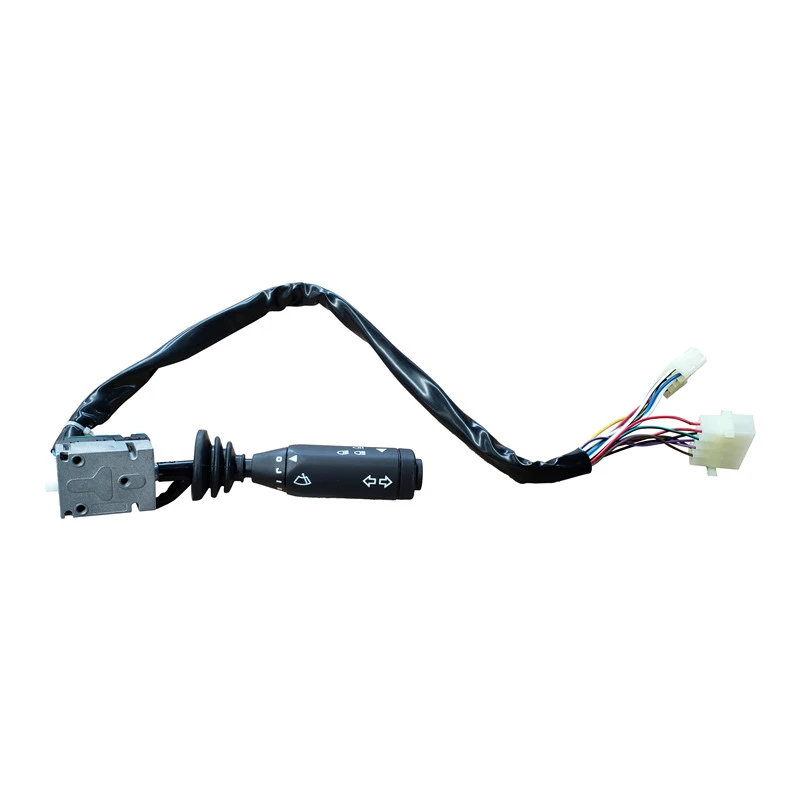
- WG9130583017 HOWO Steering Switch White Connector: This relay is designed for use in heavy-duty audio systems and provides a high level of durability and performance.
Contact Us for Relay Procurement
If you are interested in learning more about our relay products for audio signal switching or would like to discuss your specific requirements, please contact us. Our team of experienced sales representatives will be happy to assist you in choosing the right relay for your audio system and provide you with a competitive quote. We look forward to working with you to improve your audio signal switching and enhance your listening experience.
References
- Horowitz, P., & Hill, W. (1989). The Art of Electronics. Cambridge University Press.
- Toole, F. (2007). Sound Reproduction: The Acoustics and Psychoacoustics of Loudspeakers and Rooms. Focal Press.