

In the intricate world of vehicle safety, the braking system stands as a cornerstone of reliability and control. At the heart of this system lies the brake valve, a critical component that plays a pivotal role in regulating the pressure within the braking mechanism. As a trusted brake valve supplier, I am thrilled to delve into the fascinating workings of brake valves and explore how they ensure the efficient and safe operation of braking systems.
The Basics of a Braking System
Before we dive into the specifics of brake valves, let's first understand the fundamental principles of a braking system. A typical braking system consists of several key components, including the brake pedal, master cylinder, brake lines, brake calipers or wheel cylinders, and brake pads or shoes. When the driver presses the brake pedal, it activates the master cylinder, which generates hydraulic pressure. This pressure is then transmitted through the brake lines to the brake calipers or wheel cylinders, causing the brake pads or shoes to clamp down on the brake rotors or drums, respectively. This friction between the brake components slows down or stops the vehicle.
The Role of the Brake Valve
The brake valve is a crucial element in the braking system that regulates the flow and pressure of the hydraulic fluid. It acts as a control center, ensuring that the right amount of pressure is applied to the brakes at the appropriate time. There are several types of brake valves, each designed for specific functions within the braking system. Some common types include the master cylinder valve, proportioning valve, combination valve, and anti-lock braking system (ABS) valve.
How a Brake Valve Regulates Pressure
The process of pressure regulation in a braking system involves a series of precise mechanical and hydraulic actions. When the driver applies the brake pedal, the master cylinder valve opens, allowing hydraulic fluid to flow from the reservoir into the brake lines. The pressure in the brake lines increases as the fluid is forced through the system. The brake valve then comes into play, modulating the pressure to ensure that it is distributed evenly to all four wheels.
One of the key functions of the brake valve is to prevent wheel lockup. When a wheel locks up, it loses traction with the road surface, which can lead to skidding and loss of control. To prevent this, the brake valve continuously monitors the speed of each wheel and adjusts the pressure accordingly. If it detects that a wheel is about to lock up, it reduces the pressure to that wheel, allowing it to rotate freely and maintain traction.
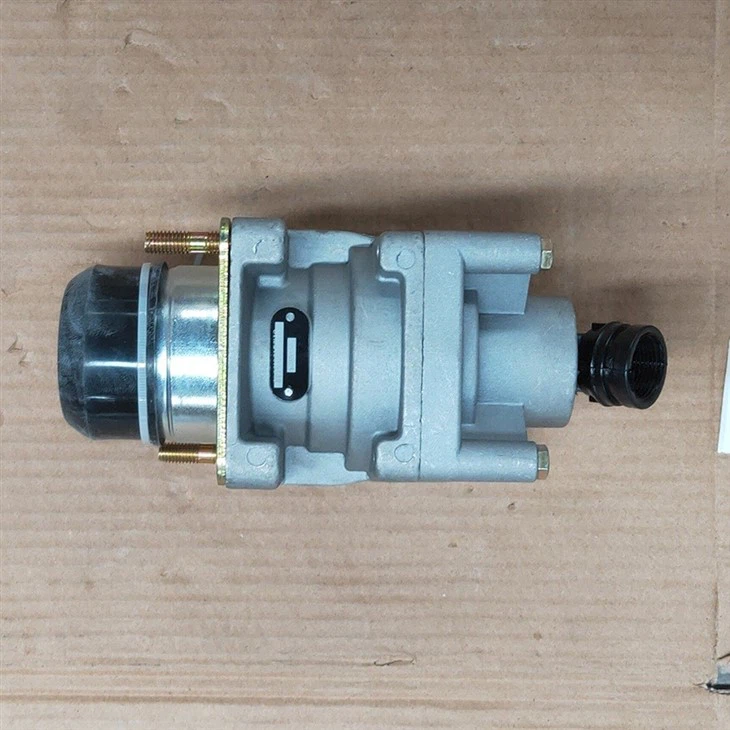
Another important function of the brake valve is to balance the braking force between the front and rear wheels. Different vehicles have different weight distributions, which can affect the braking performance. The brake valve uses a proportioning valve to adjust the pressure to the rear wheels, ensuring that they do not lock up before the front wheels. This helps to maintain stability and control during braking.
Types of Brake Valves and Their Functions
- Master Cylinder Valve: The master cylinder valve is the primary control valve in the braking system. It is responsible for generating the initial hydraulic pressure when the driver presses the brake pedal. The valve consists of a piston and a spring, which work together to control the flow of fluid. When the pedal is pressed, the piston moves forward, compressing the spring and forcing fluid into the brake lines.
- Proportioning Valve: The proportioning valve is designed to adjust the pressure to the rear wheels based on the vehicle's weight distribution. It ensures that the rear wheels do not lock up before the front wheels, which can cause the vehicle to spin out of control. The proportioning valve typically uses a mechanical or hydraulic mechanism to regulate the pressure.
- Combination Valve: The combination valve combines the functions of the master cylinder valve, proportioning valve, and sometimes other valves into a single unit. It simplifies the design of the braking system and reduces the number of components, making it more reliable and cost-effective.
- Anti-Lock Braking System (ABS) Valve: The ABS valve is a sophisticated electronic valve that is part of the anti-lock braking system. It uses sensors to monitor the speed of each wheel and adjusts the pressure to prevent wheel lockup. The ABS valve can rapidly modulate the pressure to individual wheels, allowing the driver to maintain steering control during emergency braking.
Our Brake Valve Products
As a leading brake valve supplier, we offer a wide range of high-quality brake valves for various types of vehicles. Our products are designed to meet the strictest industry standards and provide reliable performance in all conditions. Some of our popular brake valve products include: - Shacman Engine Exhaust Brake Valve Cylinder Dz9100189008: This brake valve cylinder is specifically designed for Shacman engines. It provides precise control of the exhaust braking system, helping to improve vehicle safety and performance. - 81.52130.6148 Shacman Brake Valve: This Shacman brake valve is a high-quality replacement part that offers excellent performance and reliability. It is designed to fit perfectly into Shacman vehicles and ensure smooth and efficient braking. - DZ9L149090005 Handbrake Valve SHACMAN X6000: The handbrake valve is an essential component of the parking brake system. This DZ9L149090005 handbrake valve is specifically designed for the SHACMAN X6000, providing reliable and secure parking brake operation.
Contact Us for Your Brake Valve Needs
If you are in the market for high-quality brake valves, look no further. Our team of experts is dedicated to providing you with the best products and services. We understand the importance of reliable braking systems and are committed to helping you find the right brake valves for your vehicles. Whether you are a vehicle manufacturer, a repair shop, or an individual customer, we have the expertise and products to meet your needs.
Contact us today to discuss your brake valve requirements and learn more about our products. We look forward to working with you and helping you ensure the safety and performance of your vehicles.

References
- Bosch Automotive Handbook, 8th Edition
- SAE International Standards on Braking Systems
- Vehicle Braking Technology: Principles and Applications by John Crolla