

Shock is a physical phenomenon that can have significant implications for the functionality of relays. As a relay supplier, I've witnessed firsthand how shock can disrupt the normal operation of these crucial electrical components. In this blog post, I'll delve into the various ways shock affects relay functionality, exploring the underlying mechanisms and offering insights into how to mitigate these effects.
Understanding Relays
Before we discuss the impact of shock on relays, it's essential to understand what relays are and how they work. A relay is an electrically operated switch that uses an electromagnet to control the opening and closing of contacts. When an electrical current flows through the coil of the relay, it creates a magnetic field that attracts the contacts, allowing current to flow through the circuit. Relays are widely used in various applications, including automotive, industrial, and telecommunications systems, to control high-power circuits with low-power signals.
Types of Shock
Shock can be classified into two main types: mechanical shock and electrical shock. Mechanical shock refers to the sudden application of a force to an object, causing it to accelerate rapidly. This can occur due to various factors, such as collisions, drops, or vibrations. Electrical shock, on the other hand, is the result of an electric current passing through the body or a component. While electrical shock can also affect relay functionality, this blog post will focus primarily on the impact of mechanical shock.
How Shock Affects Relay Functionality
Contact Bounce
One of the most common effects of shock on relays is contact bounce. Contact bounce occurs when the contacts of a relay vibrate or bounce after they are closed or opened. This can cause a momentary interruption in the electrical circuit, leading to unreliable operation. Shock can exacerbate contact bounce by causing the contacts to vibrate more vigorously, increasing the likelihood of arcing and contact erosion.
Contact Welding
In severe cases, shock can cause the contacts of a relay to weld together. Contact welding occurs when the high current flowing through the contacts generates enough heat to melt the metal, causing the contacts to fuse together. This can result in a permanent short circuit, rendering the relay inoperable. Contact welding is more likely to occur in relays that are subjected to high levels of shock or that are operating at high currents.
Coil Damage
Shock can also cause damage to the coil of a relay. The coil is the part of the relay that generates the magnetic field needed to operate the contacts. If the coil is subjected to excessive shock, it can become damaged, leading to a loss of magnetic field strength. This can cause the relay to fail to operate or to operate unreliably.
Structural Damage
In addition to affecting the electrical components of a relay, shock can also cause structural damage to the relay housing. The housing of a relay is designed to protect the internal components from environmental factors and mechanical stress. If the housing is damaged, it can allow moisture, dust, or other contaminants to enter the relay, leading to corrosion and other problems.
Mitigating the Effects of Shock
Shock Mounting
One of the most effective ways to mitigate the effects of shock on relays is to use shock mounting. Shock mounting involves using rubber or other flexible materials to isolate the relay from the source of shock. This can help to reduce the amount of shock that is transmitted to the relay, minimizing the risk of damage.
Reinforced Design
Another way to mitigate the effects of shock on relays is to use a reinforced design. Relays that are designed to withstand high levels of shock typically have stronger housings, more robust contacts, and better coil protection. These relays are more likely to operate reliably in harsh environments.
Proper Installation
Proper installation is also crucial for minimizing the effects of shock on relays. When installing a relay, it's important to ensure that it is securely mounted and that all connections are tight. This can help to prevent the relay from vibrating or moving during operation, reducing the risk of damage.
Examples of Relays and Their Shock Resistance
As a relay supplier, I offer a wide range of relays that are designed to withstand different levels of shock. Here are some examples of relays and their shock resistance:
- 81.25902.0460 5-pin Window Regulator Relay: This relay is designed for use in automotive window regulator systems. It is built to withstand high levels of shock and vibration, ensuring reliable operation in harsh environments.
- 81.25902.0410 Shacman Auxiliary Relay: This relay is used in Shacman trucks as an auxiliary relay. It is designed to withstand the shock and vibration associated with heavy-duty truck applications.
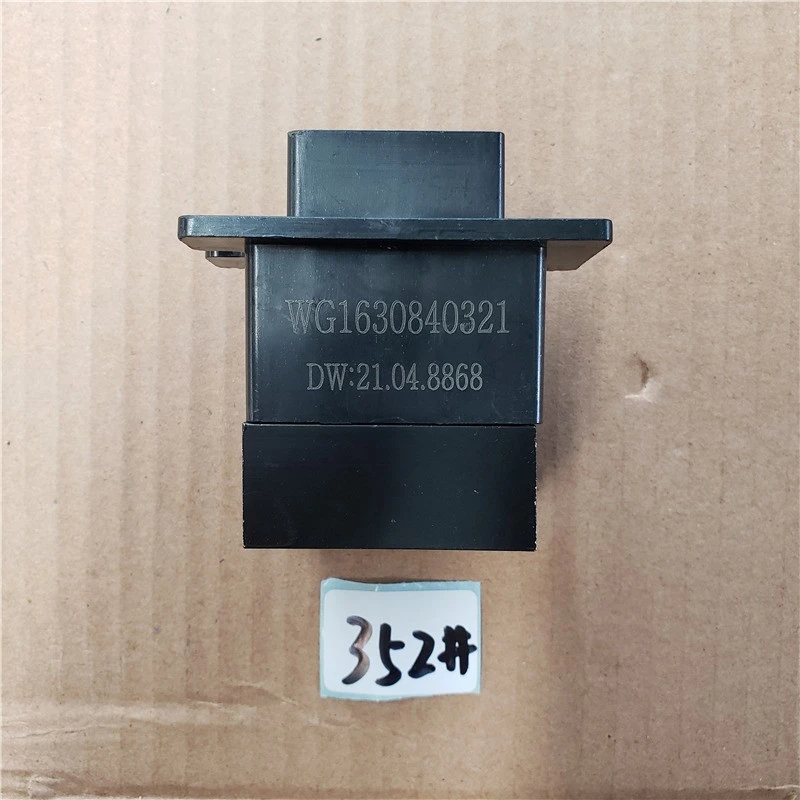
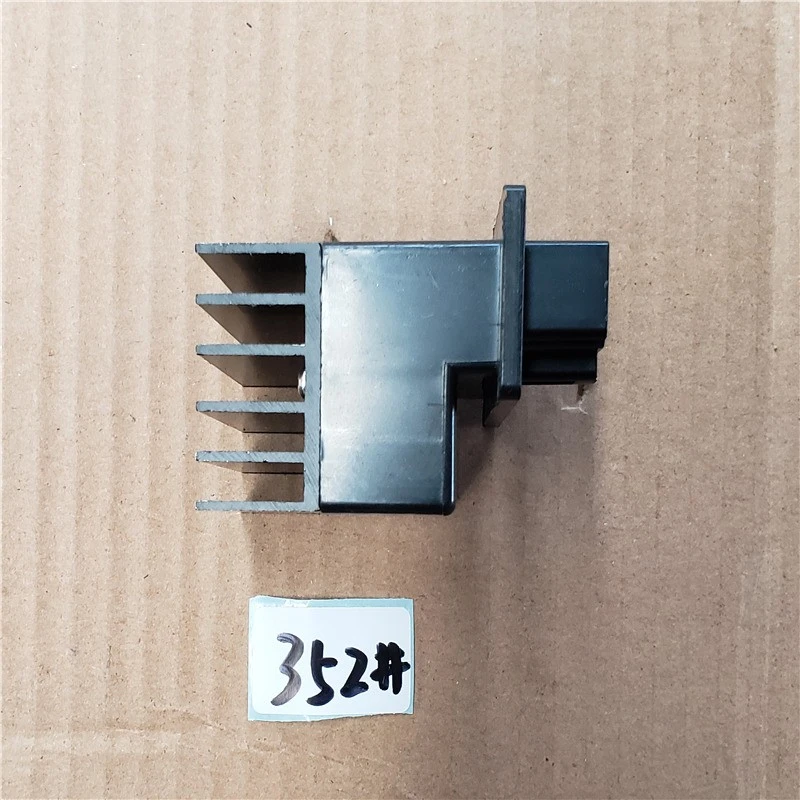
- AZ1630840321 HOWO Heater Relay: This relay is used in HOWO trucks to control the heater system. It is engineered to withstand the shock and temperature variations commonly encountered in automotive applications.
Conclusion
Shock can have a significant impact on the functionality of relays. It can cause contact bounce, contact welding, coil damage, and structural damage, leading to unreliable operation and premature failure. However, by understanding the effects of shock on relays and taking appropriate measures to mitigate these effects, such as using shock mounting, reinforced design, and proper installation, it is possible to ensure the reliable operation of relays in harsh environments.
If you're in the market for high-quality relays that can withstand shock and other environmental factors, I encourage you to reach out to me. As a relay supplier, I have the expertise and experience to help you select the right relays for your specific application. Whether you need relays for automotive, industrial, or telecommunications systems, I can provide you with the products and support you need. Contact me today to discuss your relay requirements and to learn more about how I can help you.
References
- "Relay Handbook," Eaton Corporation
- "Electromechanical Relays: Principles and Applications," Crouzet Automation
- "Automotive Relay Design and Application," Delphi Automotive Systems