

As a brake valve supplier with years of experience in the industry, I've witnessed firsthand the evolution and significance of different types of brake valves. Two of the most commonly used brake valves in the automotive and heavy - duty vehicle sectors are disc brake valves and drum brake valves. In this blog, I'll delve into the differences between these two crucial components of a vehicle's braking system.
1. Basic Working Principles
Disc Brake Valves
Disc brake valves are designed to work in tandem with disc brake systems. When the driver presses the brake pedal, the disc brake valve receives the pressure signal. It then regulates the flow of hydraulic fluid to the calipers. The calipers, in turn, squeeze the brake pads against the rotating brake disc. This frictional force between the pads and the disc slows down or stops the vehicle.
The design of disc brake valves allows for precise control of the braking force. They can quickly adjust the pressure in the calipers, which is essential for modern driving conditions that require rapid and accurate braking responses. For example, in high - speed driving or emergency braking situations, the disc brake valve can ensure that the right amount of pressure is applied to the calipers in a split - second.
Drum Brake Valves
Drum brake valves operate in a different way. In a drum brake system, when the brake pedal is depressed, the drum brake valve controls the flow of hydraulic fluid to the wheel cylinders inside the brake drums. The wheel cylinders then push the brake shoes outward against the inner surface of the rotating brake drum. The friction between the brake shoes and the drum causes the vehicle to decelerate.
Unlike disc brakes, drum brakes have a more enclosed design. The drum brake valve has to work within this enclosed space, and the braking action is a bit more delayed compared to disc brakes. The design of drum brake valves is generally more suitable for applications where a consistent, moderate - level braking force is required over a long period.
2. Performance Characteristics
Braking Efficiency
Disc brake valves offer superior braking efficiency. Disc brakes have a larger surface area for heat dissipation compared to drum brakes. When the brakes are applied, a significant amount of heat is generated due to friction. If this heat is not dissipated properly, the braking performance can deteriorate, a phenomenon known as brake fade.
Disc brake valves can maintain consistent braking performance even under high - stress conditions because the disc brakes can dissipate heat quickly. In contrast, drum brake valves may experience more significant brake fade, especially during prolonged or heavy braking. The enclosed nature of drum brakes makes it difficult for heat to escape, which can lead to a reduction in braking force.
Response Time
The response time of disc brake valves is much faster. As mentioned earlier, disc brake systems can adjust the braking force more rapidly. This is because the calipers in disc brakes can act directly on the brake disc, and the disc brake valve can control the pressure in the calipers almost instantaneously.
Drum brake valves, on the other hand, have a slightly slower response time. The movement of the brake shoes inside the drum takes a bit more time to build up the necessary braking force. This slower response time may not be a significant issue in normal driving conditions but can be a drawback in emergency situations.
Modulation
Disc brake valves provide better modulation. Modulation refers to the ability to control the amount of braking force precisely. In disc brake systems, the driver can easily adjust the braking force by pressing the brake pedal with different degrees of pressure. The disc brake valve translates this pedal pressure into an appropriate amount of hydraulic pressure in the calipers.
Drum brake valves offer less precise modulation. The design of drum brake systems makes it more difficult to fine - tune the braking force. The movement of the brake shoes inside the drum is not as straightforward as the action of calipers on a disc, resulting in a less smooth and precise braking experience.
3. Design and Construction
Physical Structure
Disc brake valves are generally more compact in design. They are often integrated with other components of the disc brake system, such as the master cylinder and the calipers. The compact design makes them suitable for modern vehicles where space is limited.
Drum brake valves are typically larger and more complex in structure. They have to be designed to work with the wheel cylinders and the brake shoes inside the drum. The larger size can be a disadvantage in vehicles with tight packaging requirements.
Materials Used
The materials used in disc brake valves are often chosen for their high - strength and corrosion - resistant properties. The valve bodies are usually made of metals such as aluminum or steel, which can withstand high pressures. The seals and gaskets in disc brake valves are made of rubber or synthetic materials that can resist the effects of hydraulic fluid and environmental factors.
Drum brake valves also use similar materials, but the design may require different types of seals and gaskets due to the different operating environment inside the drum brakes. The materials need to be able to withstand the higher temperatures and more enclosed conditions of drum brake systems.
4. Application Scenarios
Disc Brake Valves
Disc brake valves are commonly used in high - performance vehicles, sports cars, and modern passenger cars. These vehicles require quick and efficient braking performance, and disc brake valves can meet these requirements. They are also widely used in heavy - duty trucks and buses, especially in applications where safety and reliable braking are of utmost importance.
For example, in a modern sports car, the disc brake valves ensure that the vehicle can stop quickly from high speeds. In heavy - duty trucks, disc brake valves help in controlling the large mass of the vehicle, especially when carrying heavy loads. You can find high - quality disc brake valves like the DZ9L149090005 Handbrake Valve SHACMAN X6000 and 9347141610 Brake Valve that are suitable for different types of vehicles.
Drum Brake Valves
Drum brake valves are still used in many applications, especially in older vehicles and some low - cost or light - duty vehicles. They are also commonly used in the rear wheels of some vehicles, where the braking requirements are not as high as the front wheels.
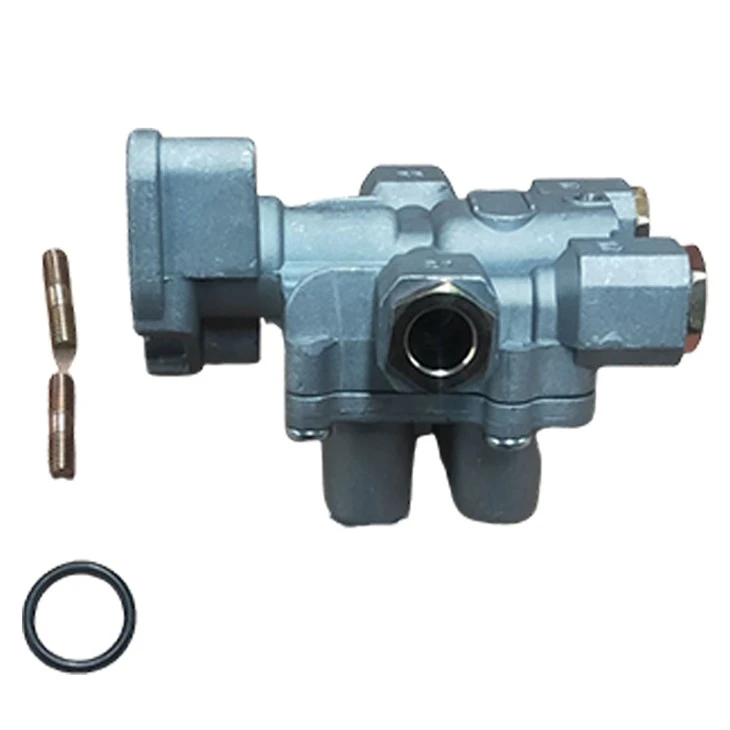

In addition, drum brake valves are often used in trailers and some industrial vehicles. These applications typically require a more cost - effective and reliable braking solution. The Shacman Engine Exhaust Brake Valve Cylinder Dz9100189008 is an example of a product that can be used in certain drum brake applications.
5. Maintenance and Durability
Maintenance Requirements
Disc brake valves generally require less maintenance. The components of disc brake systems are more accessible, which makes it easier to inspect and replace parts if necessary. The brake pads in disc brakes can be easily checked and replaced, and the disc brake valve can be serviced without much difficulty.
Drum brake valves may require more maintenance. The enclosed nature of drum brakes makes it more challenging to access the components. Inspecting and replacing the brake shoes inside the drum can be a more time - consuming and labor - intensive process. In addition, the drum brake valve may need more frequent adjustment to ensure proper braking performance.
Durability
Disc brake valves are often more durable. The materials used in disc brake systems and the design that allows for better heat dissipation contribute to their longer lifespan. Disc brakes are less prone to wear and tear compared to drum brakes, especially under high - stress conditions.
Drum brake valves may have a shorter lifespan, especially in applications where they are subjected to heavy use. The build - up of heat inside the drum brakes can cause the components to wear out more quickly, and the drum brake valve may need to be replaced more frequently.
Conclusion
In conclusion, disc brake valves and drum brake valves have distinct differences in terms of working principles, performance characteristics, design, application scenarios, and maintenance requirements. Disc brake valves offer superior braking efficiency, faster response times, better modulation, and are more suitable for high - performance and safety - critical applications. Drum brake valves, on the other hand, are more cost - effective and can still provide reliable braking in certain situations.
As a brake valve supplier, we understand the unique needs of different customers. Whether you are looking for a disc brake valve for a high - performance vehicle or a drum brake valve for a light - duty application, we have a wide range of products to meet your requirements. If you are interested in purchasing brake valves or have any questions about our products, please feel free to contact us for further discussion and procurement negotiation.
References
- Automotive Brake Systems: Principles and Maintenance, 3rd Edition, by James D. Halderman
- Modern Automotive Technology, 12th Edition, by James D. Halderman and Mitchell J. Martin