

Relays are crucial components in various electrical systems, acting as switches that control the flow of electricity. They are widely used in automotive, industrial, and household applications. As a relay supplier, I've encountered numerous situations where relays start to fail, leading to system malfunctions. Understanding the signs of a failing relay can save you time, money, and prevent potential safety hazards. In this blog, I'll discuss some common indicators that your relay might be on the verge of failure.
1. Frequent Electrical System Failures
One of the most obvious signs of a failing relay is the frequent malfunction of the electrical system it controls. For example, in a vehicle, if the headlights, taillights, or power windows suddenly stop working intermittently, it could be due to a faulty relay. Relays are designed to handle specific electrical loads, and when they start to fail, they may not be able to switch the circuit on and off properly. This can result in inconsistent power delivery to the connected devices, causing them to malfunction or stop working altogether.
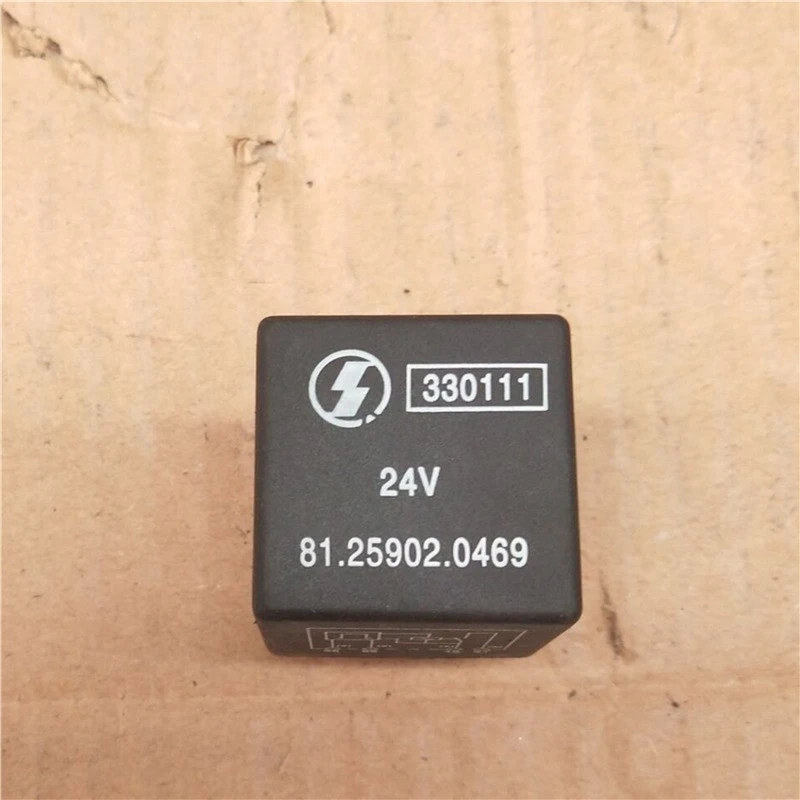
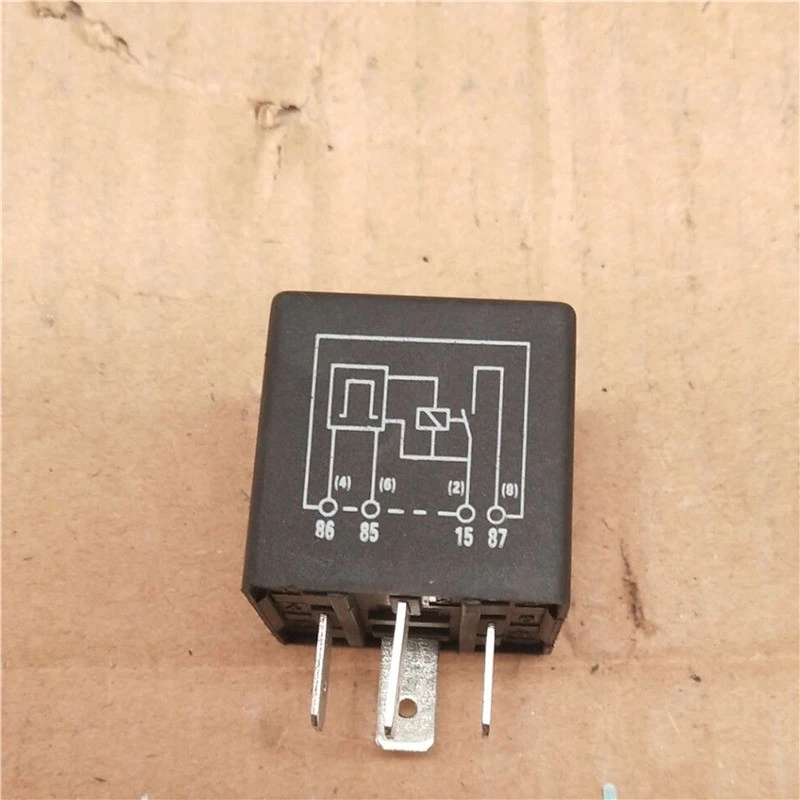
Let's take the WG9130583017 HOWO Steering Switch White Connector as an example. This relay is responsible for controlling the steering switch in HOWO trucks. If it starts to fail, you may experience problems with the steering functions, such as the inability to turn on the steering lights or the steering wheel becoming unresponsive. These issues can pose a significant safety risk, so it's important to address them promptly.
2. Overheating
Overheating is another common sign of a failing relay. When a relay is working properly, it should operate at a relatively low temperature. However, if the relay is overloaded or has internal resistance issues, it can generate excessive heat. You can usually detect overheating by feeling the relay with your hand. If it's too hot to touch, it's a clear indication that something is wrong.
Overheating can cause the relay's internal components to degrade over time, leading to further failures. It can also damage the surrounding wiring and other electrical components, increasing the risk of a short circuit or fire. For instance, the 81.25902.0410 Shacman Auxiliary Relay is used to control various auxiliary functions in Shacman trucks. If this relay overheats, it can affect the performance of the connected devices and potentially cause a breakdown.
3. Audible Clicking Sounds
Relays typically make a clicking sound when they switch on and off. However, if you start to hear abnormal clicking sounds, such as rapid or continuous clicking, it could be a sign of a failing relay. These abnormal sounds may indicate that the relay's contacts are not making proper contact or are vibrating due to internal mechanical issues.
The clicking sound is caused by the movement of the relay's armature, which is controlled by an electromagnetic coil. When the coil is energized, it pulls the armature towards it, closing the contacts and allowing electricity to flow. If the contacts are dirty, worn, or misaligned, they may not close properly, resulting in a clicking sound. In some cases, the relay may even get stuck in the on or off position, causing the connected device to malfunction. The 81.25902.0469 Rear Fog Lamp Relay Shacman is a good example. If it starts to make abnormal clicking sounds, it could affect the operation of the rear fog lamps, which are essential for visibility in adverse weather conditions.
4. Burn Marks or Discoloration
Inspecting the relay for burn marks or discoloration is another way to determine if it's failing. Burn marks can indicate that the relay has experienced an electrical overload or a short circuit. Discoloration, on the other hand, can be a sign of overheating or chemical damage.
When a relay overheats, the plastic casing may start to melt or discolor. You may also notice burn marks on the contacts or the printed circuit board inside the relay. These signs suggest that the relay has been subjected to excessive heat or electrical stress, and it's likely to fail soon. If you see any burn marks or discoloration on a relay, it's important to replace it immediately to prevent further damage to the electrical system.
5. Intermittent Operation
Intermittent operation is a common symptom of a failing relay. The connected device may work fine for a while and then suddenly stop working, only to start working again later. This can be frustrating and difficult to diagnose, as the problem may not occur consistently.
Intermittent operation can be caused by a variety of factors, such as loose connections, dirty contacts, or a weak electromagnetic coil. The relay may be able to switch the circuit on and off most of the time, but under certain conditions, such as vibration or temperature changes, it may fail to function properly. This can lead to inconsistent performance of the connected device and make it difficult to determine the root cause of the problem.
6. High Resistance
Using a multimeter to measure the resistance of the relay's contacts can also help you determine if it's failing. A healthy relay should have a very low resistance when the contacts are closed. If the resistance is significantly higher than normal, it could indicate that the contacts are dirty, worn, or corroded.
High resistance can cause voltage drops across the contacts, reducing the amount of power delivered to the connected device. This can result in poor performance or malfunction of the device. In some cases, the high resistance may also cause the relay to overheat, further accelerating its failure.
Conclusion
Recognizing the signs of a failing relay is essential for maintaining the proper functioning of electrical systems. Whether you're dealing with automotive, industrial, or household applications, a faulty relay can cause a range of problems, from minor inconveniences to serious safety hazards. By paying attention to the symptoms discussed in this blog, such as frequent electrical system failures, overheating, audible clicking sounds, burn marks or discoloration, intermittent operation, and high resistance, you can identify and replace a failing relay before it causes further damage.
As a relay supplier, I'm committed to providing high-quality relays that meet the needs of my customers. If you're experiencing any issues with your relays or need help selecting the right relay for your application, please don't hesitate to contact me for procurement and further discussion. I'll be happy to assist you in finding the best solution for your electrical system requirements.
References
- "Relay Handbook" - A comprehensive guide to relays, including their operation, types, and troubleshooting.
- "Automotive Electrical Systems" - A textbook that covers the principles and components of automotive electrical systems, including relays.
- "Industrial Control Systems" - A resource for understanding the use of relays in industrial applications and how to maintain them.