

As a seasoned relay supplier, I've witnessed firsthand the critical role that relays play in countless electrical systems. One of the most important parameters to understand when working with relays is contact resistance. In this blog post, I'll delve into what contact resistance is, why it matters, and how it can impact the performance of your relays.
What is Contact Resistance?
Contact resistance is the resistance that occurs at the point where the contacts of a relay meet. When a relay is closed, the contacts come together to complete an electrical circuit. However, even though the contacts may appear to be perfectly touching, there is still a small amount of resistance between them. This resistance is due to a variety of factors, including the materials used for the contacts, the surface finish of the contacts, and the pressure applied when the contacts are closed.
Contact resistance is typically measured in ohms (Ω) and can vary widely depending on the type of relay and the specific application. In general, lower contact resistance is better, as it allows for more efficient current flow and reduces the amount of power dissipated as heat.
Why Does Contact Resistance Matter?
Contact resistance can have a significant impact on the performance and reliability of a relay. Here are some of the key reasons why it matters:

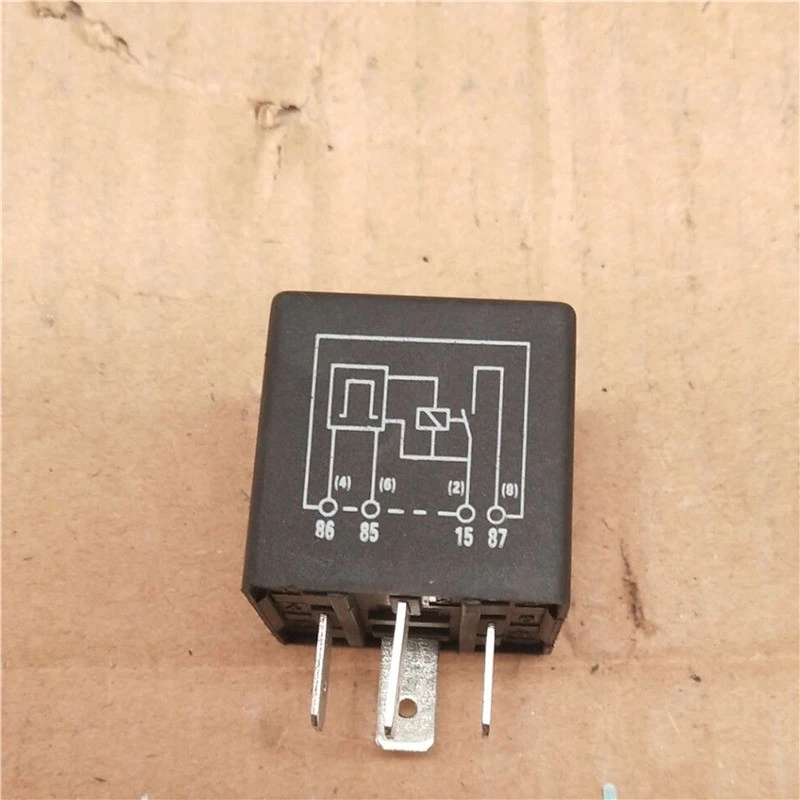
Power Loss
When current flows through a relay, some of the electrical energy is converted into heat due to the resistance of the contacts. This power loss can cause the relay to heat up, which can in turn affect its performance and lifespan. Higher contact resistance means more power is lost as heat, which can lead to overheating and premature failure of the relay.
Voltage Drop
Contact resistance also causes a voltage drop across the contacts. This voltage drop can affect the operation of the electrical circuit connected to the relay. For example, if the voltage drop is too high, it may not be sufficient to power a device connected to the relay, or it may cause the device to operate erratically.
Signal Integrity
In applications where relays are used to switch low-level signals, contact resistance can have a significant impact on signal integrity. High contact resistance can cause signal attenuation, distortion, and noise, which can degrade the quality of the signal being transmitted.
Contact Wear
Over time, the repeated opening and closing of the relay contacts can cause wear and tear, which can increase the contact resistance. This is known as contact wear. As contact resistance increases, the performance of the relay can deteriorate, leading to reduced reliability and increased maintenance requirements.
Factors Affecting Contact Resistance
Several factors can affect the contact resistance of a relay. Understanding these factors can help you select the right relay for your application and ensure optimal performance. Here are some of the key factors:
Contact Material
The material used for the relay contacts has a major influence on contact resistance. Different materials have different electrical conductivity and wear characteristics. Common contact materials include silver, gold, platinum, and palladium. Silver is a popular choice due to its high electrical conductivity, but it can be prone to oxidation and sulfidation, which can increase contact resistance over time. Gold, on the other hand, is highly resistant to oxidation and corrosion, but it is more expensive.
Contact Surface Finish
The surface finish of the contacts can also affect contact resistance. A smooth, clean contact surface generally results in lower contact resistance. However, over time, the contacts can become contaminated with dirt, dust, and other debris, which can increase the contact resistance. Additionally, the surface finish can be affected by the manufacturing process and the quality control measures in place.
Contact Pressure
The pressure applied when the contacts are closed is another important factor. Higher contact pressure generally results in lower contact resistance, as it helps to ensure a better electrical connection between the contacts. However, too much pressure can cause excessive wear and damage to the contacts, while too little pressure can result in a poor connection and higher contact resistance.
Temperature and Humidity
Environmental factors such as temperature and humidity can also affect contact resistance. High temperatures can cause the contacts to expand and contract, which can affect the contact pressure and increase the contact resistance. Humidity can also cause corrosion and oxidation of the contacts, which can lead to increased contact resistance.
Measuring Contact Resistance
Measuring contact resistance is an important part of ensuring the proper operation of a relay. There are several methods for measuring contact resistance, including:
Four-Point Probe Method
The four-point probe method is a common technique for measuring contact resistance. This method involves applying a known current through the contacts using two of the probes and measuring the voltage drop across the contacts using the other two probes. By using this method, the resistance of the leads and connections can be eliminated, resulting in a more accurate measurement of the contact resistance.
Voltage Drop Method
The voltage drop method is another simple way to measure contact resistance. In this method, a known current is passed through the contacts, and the voltage drop across the contacts is measured. The contact resistance can then be calculated using Ohm's law (R = V/I), where R is the resistance, V is the voltage drop, and I is the current.
Minimizing Contact Resistance
There are several steps you can take to minimize contact resistance and ensure the optimal performance of your relays:
Select the Right Relay
Choosing the right relay for your application is crucial. Consider factors such as the type of load, the current and voltage requirements, and the environmental conditions. Look for relays with low contact resistance and high contact pressure.
Keep the Contacts Clean
Regularly cleaning the contacts can help to maintain low contact resistance. Use a clean, dry cloth or a contact cleaner to remove any dirt, dust, or debris from the contacts. Avoid using abrasive materials or solvents that could damage the contacts.
Control the Environment
Try to control the environmental conditions where the relays are used. Keep the temperature and humidity within the recommended range for the relays. Additionally, protect the relays from dust, dirt, and other contaminants.
Use Proper Installation Techniques
When installing the relays, make sure to follow the manufacturer's instructions carefully. Ensure that the contacts are properly aligned and that the correct pressure is applied when the contacts are closed.
Our Relay Products
At our company, we offer a wide range of high-quality relays for various applications. Our relays are designed to have low contact resistance and high reliability, ensuring optimal performance in your electrical systems. Here are some of our popular relay products:
- 81.25902.0410 Shacman Auxiliary Relay: This relay is specifically designed for Shacman trucks and is suitable for auxiliary electrical systems.
- 81.25902.0469 Rear Fog Lamp Relay Shacman: Ideal for controlling the rear fog lamps in Shacman trucks, this relay offers reliable performance and low contact resistance.
- 3711030-240 FAW Relay: Designed for FAW trucks, this relay is built to withstand the demanding conditions of automotive applications.
Contact Us for Your Relay Needs
If you're in the market for high-quality relays with low contact resistance, we'd love to hear from you. Our team of experts can help you select the right relay for your specific application and provide you with the support and guidance you need. Contact us today to discuss your requirements and start a procurement洽谈.
References
- "Relay Handbook" by Eaton Corporation
- "Electrical Contacts: Principles and Applications" by Kenneth E. Pitney